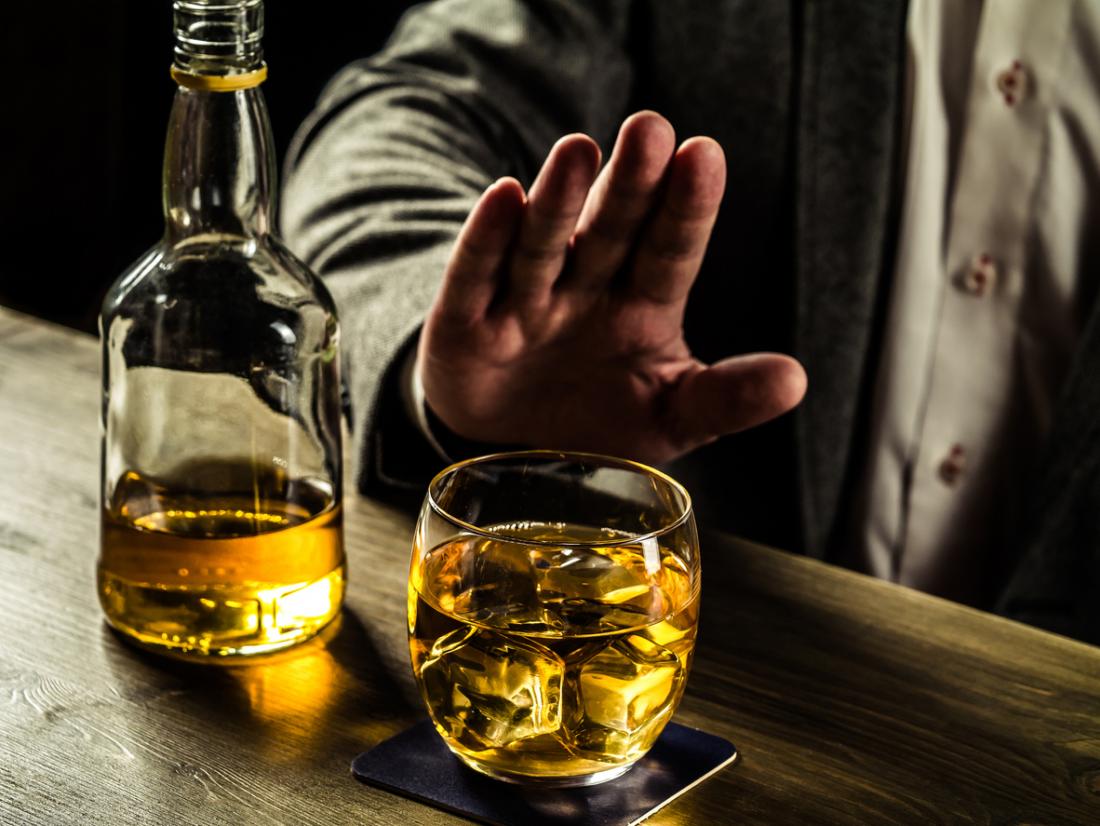
I think they should not sell because
humans get more sleep at night. If he drinks and drives the vehicle then there
may be some big accidents. Drinking is bad, on one side but sometimes it is
also helpful. The latest alcohol
should be allowed to sell should be 11 p. M. The reason being drunk people make
poor decisions which may lead to danger. People may do stupid things when they
are drunk just because its night time and they think they can get away with it,
which is not the case. Therefore, Alcohol sales should be ban after midnight.
In India, consumption of
alcohol is prohibited in the states of Bihar, Gujrat, and Nagaland as well as the Union
Territory of Lakshadweep. There is a partial ban on alcohol in
some districts of Manipur. All other Indian states permit alcohol
consumption but fix a legal drinking age, which ranges at different ages per
region. In some states, the legal drinking age can be different for different
types of alcoholic beverages. Liquor in India is generally sold at liquor
stores, restaurants, hotels, bars, pubs, clubs, and discos but not online. Some
states, like Kerala and Tamil Nadu, prohibit private parties from owning liquor
stores making the state government the sole retailer of alcohol in those
states. In some states, liquor may be sold at groceries, departmental stores,
banquet halls and/or farmhouses. Some tourist areas have special laws allowing
the sale of alcohol on beaches and houseboats.
Home delivery
of alcoholic beverages is illegal in Delhi. However, in Delhi, home
delivery of beer and wine by private vendors and departmental stores is
permitted.
Drink Driving
Law
The blood
alcohol content (BAC) legal
the limit is 0.03% or 30 mg of alcohol in 100 ml blood.
On 1 March
2012, the Union Cabinet approved proposed changes to the Motor Vehicle Act.
Higher penalties were introduced, including fines from ₹2,000 to ₹10,000 and
imprisonment from 6 months to 4 years. Different penalties are assessed
depending on the blood alcohol content at the time of the offense.
 Dry days are
specific days when the sale of alcohol is not permitted. Most of the Indian
states observe these days on major national festivals/occasions such as Republic
Day (26 January), Independence Day (15 August) and Gandhi
Jayanti (2 October). Dry
days are also observed during the election in India.
Dry days are
specific days when the sale of alcohol is not permitted. Most of the Indian
states observe these days on major national festivals/occasions such as Republic
Day (26 January), Independence Day (15 August) and Gandhi
Jayanti (2 October). Dry
days are also observed during the election in India.
Dry days
Dry days by states and
union territories
Dry days in Andhra Pradesh and Telangana.
|
January
|
15
|
(Makara
Sankranti)
|
|
January
|
26
|
(Republic
Day)
|
|
March
|
4
|
(Maha
Shivratri)
|
|
March
|
20
|
(Holi)
|
|
April
|
14
|
(Ram Navami)
|
|
April
|
17
|
(Mahavir
Janma Kalyanak)
|
|
June
|
2
|
(Formation
Day {Telangana})
|
|
June
|
4-5
|
(Eid-Ul-Fitr)
|
|
August
|
11
|
(Eid-Al-Adha/ Bakrid)
|
|
August
|
15
|
(Independence
Day), (Raksha Bandhan)
|
|
August
|
24
|
(Janmashtami)
|
|
September
|
2
|
(Ganesh
Chaturti)
|
|
September
|
28
|
(Muharram)
|
|
October
|
2
|
(Gandhi
Jayanti)
|
|
October
|
8
|
(Dussehra)
|
|
October
|
27
|
(Diwali)
|
|
November
|
9-10
|
(Eid-Ul-Milad / Mawlid)
|
|
December
|
25
|
(Christmas)
|
Prohibited days
are also announced when elections are held in the state.
Delhi
Every excise year, the Government of Delhi
notifies the number of Prohibited days in a year. The three national
holidays—26 January 2 October and 15 August, are always prohibited days, and
additional prohibited days are announced at the start of the excise year (1
July).
|
January
|
26(Republic
Day)
|
|
February
|
12 (Maharshi Dayanand Jayanti), 16 (Guru Ravidas Jayanti, 24])
|
|
March
|
Holi, Maha Shivratri
|
|
April
|
Good Friday, Mahavir Janma Kalyanak
|
|
May
|
29 Buddha Purnima
|
|
June
|
Buddha Purnima
|
|
August
|
15 (Independence
Day), Krishna
Janmashtami
|
|
October
|
2 Gandhi
Jayanti, Dussehra , Maharishi Valmiki Jayanti, Diwali
|
|
November
|
Guru Nanak Jayanti, Guru Tegh Bahadur, Martydom Day
|
The directive
principles of state policy (DPSP) in the Constitution of India (article
47) state that "....the
State shall endeavor to bring about prohibition of the consumption except for
medicinal purposes of intoxicating drinks and of drugs which are injurious to
health". The Directive Principles are not-justiciable the rights of the people but fundamental in
the governance of the country. It shall be the duty of the State to apply these
principles in making policy laws per article 47. Per Article 38, state and union governments,
as duty, shall make further detailed policies and laws for implementation
considering DPSPs as fundamental policy. In contrary to Article 37, many
policies have been implemented by states and union government which go against
the DPSPs such as using intoxicating drinks as a source of major tax revenue
instead of implementing prohibition for better health of people. When the union
government feels that alcohol prohibition is no longer useful to the nation, it
shall be deleted from DPSPs by bringing a constitutional amendment to remove
ambiguity in policy-making/direction. Judiciary can repeal any policy/law
devised by the government which is diametrically opposite to any DPSP. An
existing policy in line with DPSP cannot be reversed, however, it can be
expanded further in line with DPSP. The policy changes applicable under DPSP
shall not be reversible unless the applicable DPSP is deleted by constitutional
amendment. Many states-imposed prohibitions of alcohol and later prohibition
lifted to collect more revenue/taxes by the states. Lifting /
relaxing prohibition of alcohol is unconstitutional which is reversing the
earlier implemented policy as per Article 37 as long as alcohol prohibition is
part of DPSP.
States practicing prohibition

Bihar
On 26 November 2015, Bihar Chief Minister Nitish
Kumar announced that alcohol would be banned in the state from 1 April
2016. Kumar officially declared the total ban on 5 April 2016, and said in
a press conference, "All types of liquor will be banned in the state from
today. Sale [and consumption] of any type of alcohol in hotels, bars, clubs, and
any other place will be illegal from today onwards." Violating the
law carries a penalty of 5 years to 10 years imprisonment. On 30 September
2016 Bihar High Court ruled that the ban is "illegal,
impractical and unconstitutional".
Gujarat
Bombay State had prohibition between 1948 and
1950, and again from 1958. Gujarat has a Sumptuary law in
force that proscribes the manufacture, storage, sale and consumption of
alcoholic beverages. The legislation has been in force since 1 May 1960 when
Bombay State was bifurcated into the states of Maharashtra and
Gujarat. The Bombay Prohibition Act, 1949 is still in force in
Gujarat state, however, there is a licensing regime in Maharashtra with granting
licenses to vendors and traders. Gujarat is the only Indian state with a death
penalty for the manufacture and sale of homemade liquor that results in
fatalities.
Mizoram
The Mizoram Liquor Total Prohibition Act, 1995 banned
sale and consumption of alcohol effective from 20 February 1997. In 2007, the
MLTP Act was amended to allow wine to be made from guavas and grapes,
but with restrictions on the alcohol content and the volume possessed. It is
illegal to transport these products out of the state.
Mizoram repealed prohibition on 10 July 2014, a
period of 17 years after it had been imposed. On that date, the state
Legislative Assembly passed the Mizoram Liquor (Prohibition and Control), Bill
2014 (or MLPC), replacing the MLTP Act.
Lakshadweep
Lakshadweep is the only union territory that
bans the sale and consumption of alcohol.[32] Consumption is permitted only
on the island of Bangaram. Bangaram is an uninhabited island, but the Bangaram
Island Resort has a bar.
Nagaland
The Nagaland Liquor Total Prohibition Act (NLTP)
banned the sale and consumption of alcohol in 1989. Enforcement of the ban
is lax and Indian Made Foreign Liquor is readily available.
Authorities generally turn a blind eye towards illegal sales. Reports have
stated that some police officials themselves engage in bootlegging. The Congress party
has termed prohibition a "total failure" and has pleaded for it to be
revoked.
The Morung
Express estimated that were about 500 illegal liquor bars in Dimapur, the largest city in the state, as of
August 2014. Alcohol is also smuggled in from neighboring Assam.
Drinking
While Driving Increases
Your Risk of Being in an Accident. Perhaps the biggest reason to not drink and drive is that doing
so significantly increases your risk of being in an accident, and therefore your risk of causing injury to yourself or to
another person.
We can’t differentiate
drivers and common people while selling alcohol, so we must stop selling after
11pm so no one gets alcohol. As many accidents take place while driving and
there was a study saying that drivers become more adventurous when they drink
and drive.
You can see the
experiment and complete the study of alcohol on drivers. I will quote the website
below:
Thank you for
investing your precious time to read my blogs, if you have read it till here
then it’s worth sharing so do share.
